
Introduction
Extreme environments, including geothermal springs, deep-sea hydrothermal vents, hypersaline lakes, acidic rivers, and permafrost soils, host microorganisms uniquely adapted to conditions lethal for most life forms. These extremophiles constitute a rich source of enzymes with exceptional stability, catalytic efficiency, and resistance to denaturation, collectively known as extremozymes.
Traditional cultivation methods recover less than 1% of microbial diversity, leaving the majority of extremophilic microorganisms and their biocatalysts inaccessible. Metagenomicsthe culture-independent analysis of environmental DNA has revolutionized enzyme discovery by bypassing cultivation limitations. This approach allows researchers to explore the entire genetic repertoire of extremophilic microbial communities, identifying genes encoding thermostable, halotolerant, and pH-resistant enzymes with industrial, pharmaceutical, and environmental applications.
Through next-generation sequencing, bioinformatic mining, and functional validation, metagenomic mining accelerates the identification of novel extremozymes suitable for biotechnology, green chemistry, biofuel production, and industrial biocatalysis. This article reviews the principles, workflows, and industrial implications of metagenomic approaches, highlighting their transformative potential for innovative enzyme discovery and sustainable bioprocessing.
Principles of Metagenomic Mining
Metagenomic mining begins with extraction of total community DNA from environmental samples, followed by sequencing, annotation, and functional analysis. The core workflow comprises:
- Environmental Sampling: Targeted collection of soil, water, sediment, or biofilm while preserving in situ physicochemical parameters (temperature, pH, salinity, redox potential) to maintain DNA integrity.
- DNA Extraction and Sequencing: Isolation of high-molecular-weight DNA for next-generation sequencing (NGS), incorporating short- and long-read platforms for comprehensive coverage of genomes and mobile elements.
- Bioinformatic Analysis: Assembly of reads into contigs or metagenome-assembled genomes (MAGs), followed by annotation using homology searches, conserved motifs, and structural modeling. Machine-learning algorithms increasingly predict enzyme properties including thermostability, substrate specificity, and solvent tolerance.
- Functional Screening: Cloning and heterologous expression of candidate genes in hosts such as Escherichia coli, Bacillus subtilis, or yeast; alternatively, construction of functional metagenomic libraries for activity-based screening independent of sequence homology

Case Studies in Extreme Environments
Deep-Sea Hydrothermal Vents
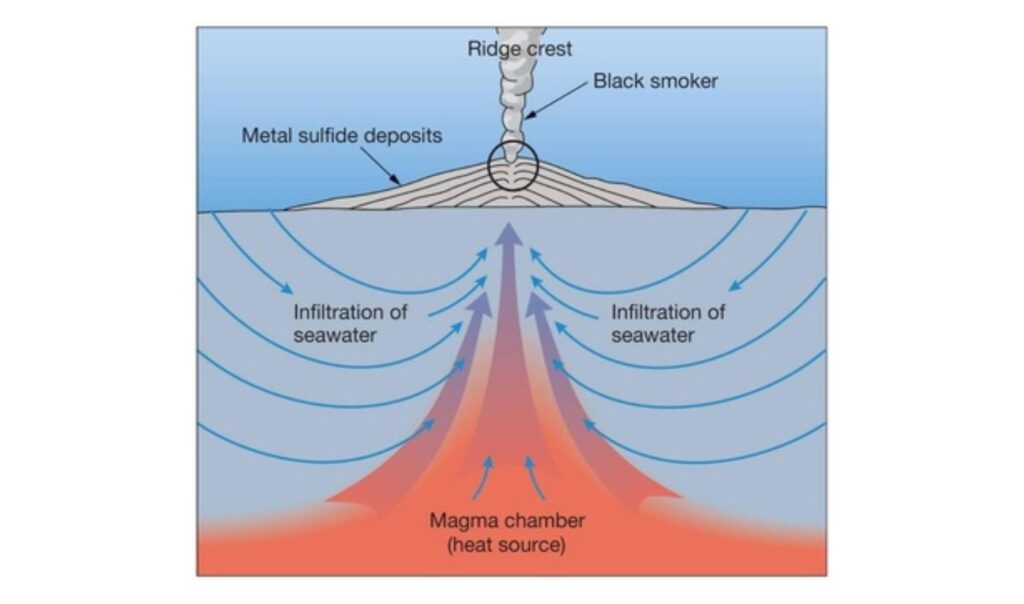
Hydrothermal vents release superheated, mineral-rich fluids, generating steep physicochemical gradients. Resident microbial communities yield enzymes exhibiting exceptional thermal stability, barotolerance, and novel substrate specificities, rendering them highly suitable for industrial biocatalysis, biofuel production, and stereoselective synthesis.

Geothermal Hot Springs
Thermophilic bacteria such as Thermus aquaticus thrive at 70–100 °C, producing polymerases, proteases, and hydrolases with superior heat stability. Metagenomic mining has uncovered additional novel enzymes inaccessible via cultivation, expanding the toolkit for molecular biology and industrial processes.
Hypersaline Lakes and Alkaline Soils
Extremophiles in hypersaline or alkaline habitats produce salt- and pH-stable enzymes (lipases, amylases, esterases) valuable for non-aqueous media, detergent formulations, and specialty chemical synthesis where conventional enzymes denature.
Strategies for Enzyme Characterization Candidate genes undergo systematic validation:
- Cloning and Heterologous Expression: Insertion into optimized expression vectors; tuning of induction and host conditions to enhance yield and solubility.
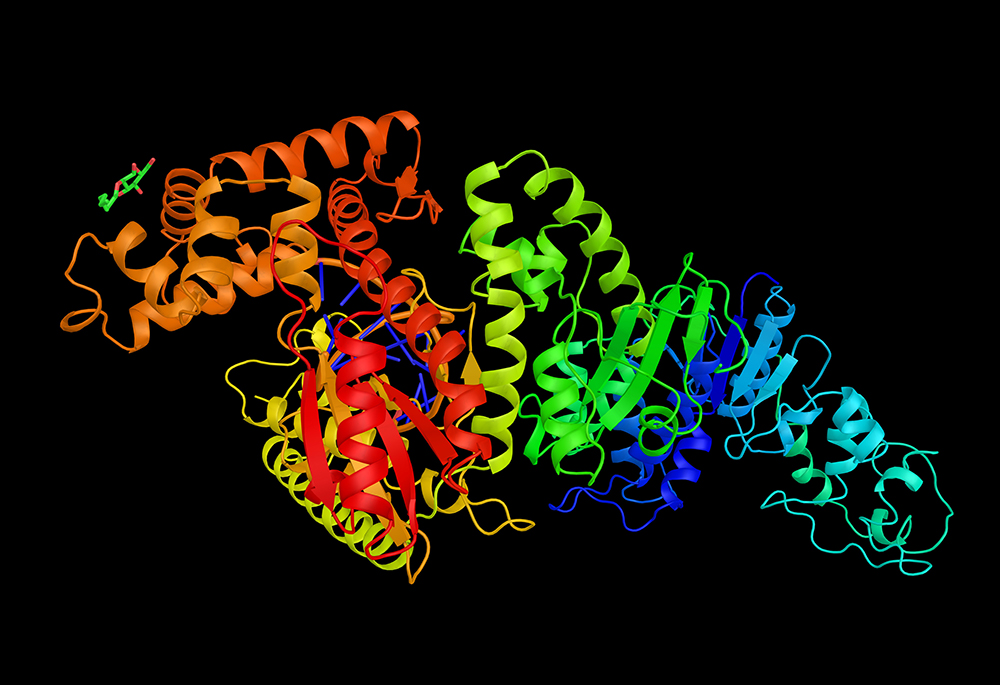
- Purification and Structural Analysis: Chromatographic purification followed by X-ray crystallography, NMR, or cryo-EM for atomic-level insights.
- Functional Assays: Determination of kinetic parameters (Kₘ, k_cat), thermostability profiles, pH optima, and solvent tolerance under simulated industrial conditions to assess application viability.
- optima, and solvent tolerance under simulated industrial conditions to assess application viability.
Industrial Relevance of Metagenomic Extremozymes
Metagenomically sourced extremozymes underpin multiple sectors:
- Biofuel and Biomass Conversion: Thermostable cellulases, hemicellulases, and amylases enhance polysaccharide hydrolysis, improving yields and minimizing contamination.
- Pharmaceutical Synthesis: Esterases, ketoreductases, and ligases enable stereoselective, greener routes to active pharmaceutical ingredients (APIs).
- Food Technology: Heat- and pH-stable enzymes facilitate flavor enhancement, starch processing, and protein modification.
- Environmental Biotechnology: Halo-tolerant and thermophilic variants support bioremediation, lignocellulosic pretreatment, and circular bioeconomy processes.
Integration with Synthetic Biology Platforms
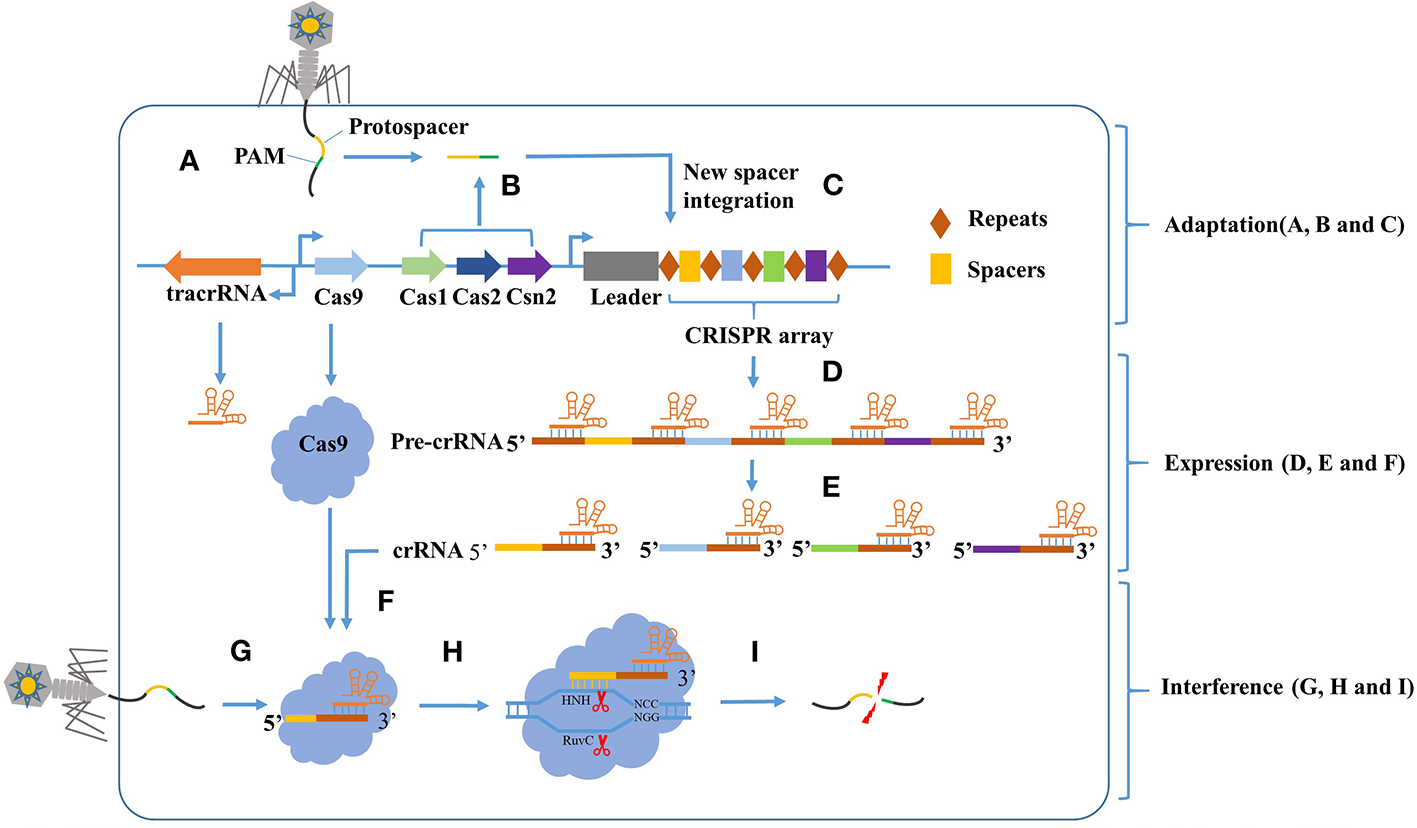
Synergistic integration with synthetic biology maximizes utility. Engineered chassis organisms co-express multiple extremozymes for cascade reactions. CRISPR/Cas-based genome editing enables precise gene insertion, while modular promoters and ribosome-binding sites allow tailored regulation, solubility enhancement, and scalability.
Regulatory Considerations and Commercialization
Commercial deployment requires compliance with FDA, EMA, or EFSA standards for food, pharmaceutical, and cosmetic enzymes (allergenicity, toxicology, purity). Industrial-use enzymes undergo environmental and occupational safety assessments. Intellectual property protection via patents on novel sequences and expression systems accelerates translation from discovery to market while fostering continued innovation.
Challenges and Future Prospects
Key limitations persist:
- Sequence-based predictions frequently diverge from actual activity, necessitating robust functional assays.
- Heterologous expression often results in misfolding; solutions include protein engineering and chaperone co-expression.
- Massive datasets demand advanced computational infrastructure and algorithms.
Conclusion
Metagenomic mining of extreme environments is redefining biocatalyst discovery, granting access to extremozymes with unparalleled stability, specificity, and industrial utility. Advanced sequencing, bioinformatics, and functional validation, combined with synthetic biology and regulatory-compliant scale-up, position these enzymes as foundational elements of sustainable, high-efficiency industrial biocatalysis.